
Iranian Foreign Minister Reaffirms Need for Negotiations After Trump Rejects Hormuz Proposal
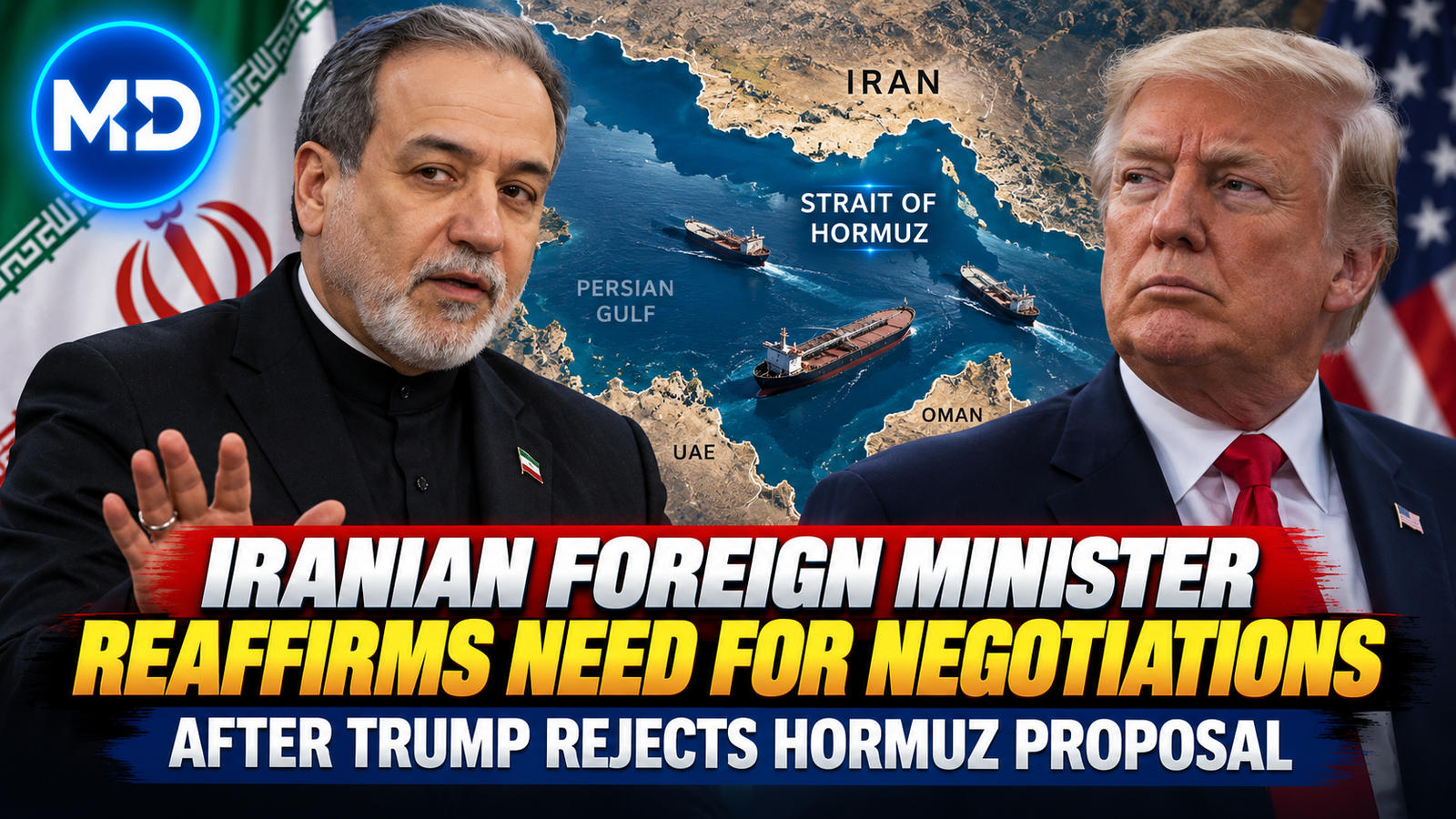
Iranian Foreign Minister Abbas Araghchi has stated that only a negotiated solution can resolve the ongoing conflict between the United States and Iran, following U.S. President Donald Trump's public rejection of a proposal to reopen the Strait of Hormuz. Writing on Telegram, Araghchi acknowledged the rejection but noted that Tehran is waiting for a definitive official response conveyed through mediators, citing past contradictory statements from the U.S. president.
Strait of Hormuz Proposal and U.S. Rejection
Iran raised the initiative to reopen the strategic waterway and halt hostilities during talks alongside the UN General Assembly in New York. According to Araghchi, the proposed terms aligned with a memorandum of understanding (MOU) signed between the two nations in June. The Strait of Hormuz, which typically handles approximately one-fifth of global oil and gas supplies, has been effectively closed since military conflict broke out in February.
President Trump rejected the offer on Saturday, telling reporters at the White House that the proposal was unacceptable and claiming Tehran sought a seven-day window to reopen commercial shipping because it was losing the conflict. Trump declared that the U.S. maintains total control of the strait and noted that massive amounts of oil passing through have driven up global prices and consumer fuel costs. U.S. Ambassador to NATO Matthew Whitaker supported the stance, characterizing Iran's offer as illusory deals and half measures.
Diplomatic Stance and Conditions for Dialogue
Iranian President Masoud Pezeshkian emphasized to CBS News that successful dialogue requires overcoming distrust generated by the war, stating the U.S. must demonstrate it does not seek to overthrow the Iranian government. Pezeshkian indicated Iran remains open to implementing the June MOU in phases, though he criticized Washington for resuming its bombing campaign and breaching previous agreements. Oman's Foreign Minister, Sayyid Badr bin Hamad bin Hamood Albusaidi, addressed the UN General Debate to urge all sides to continue open dialogue and support Omani mediation efforts to secure navigation in the waterway.
Pezeshkian also addressed questions regarding Iran's Supreme Leader Mojtaba Khamenei, who has not made public appearances since being injured in a February U.S. strike that killed his father. The Iranian president stated he has met with the Supreme Leader twice, confirming he has no ongoing specific health challenges and recently completed a seven-hour meeting.
Economic Sanctions and Pressure Measures
Alongside military actions, the U.S. administration is pursuing "Operation Economic Outcast" to exert economic pressure on Tehran. U.S. Treasury Secretary Scott Bessent stated that sanctions are having an impact, noting that Turkey, Oman, and the United Arab Emirates have suspended flights by several Iranian airlines, while financial institutions in Turkey and the UAE have halted Iranian transactions. However, economists suggest the ultimate efficacy of these measures depends on major trading partners like China, which continues to purchase Iranian oil despite U.S. restrictions.
0 YORUMLAR
Bu KONUYA henüz yorum yapılmamış. İlk yorumu sen yaz...