
Hundreds of Scientists Demand International Oversight Following Preventable AI Security Incidents
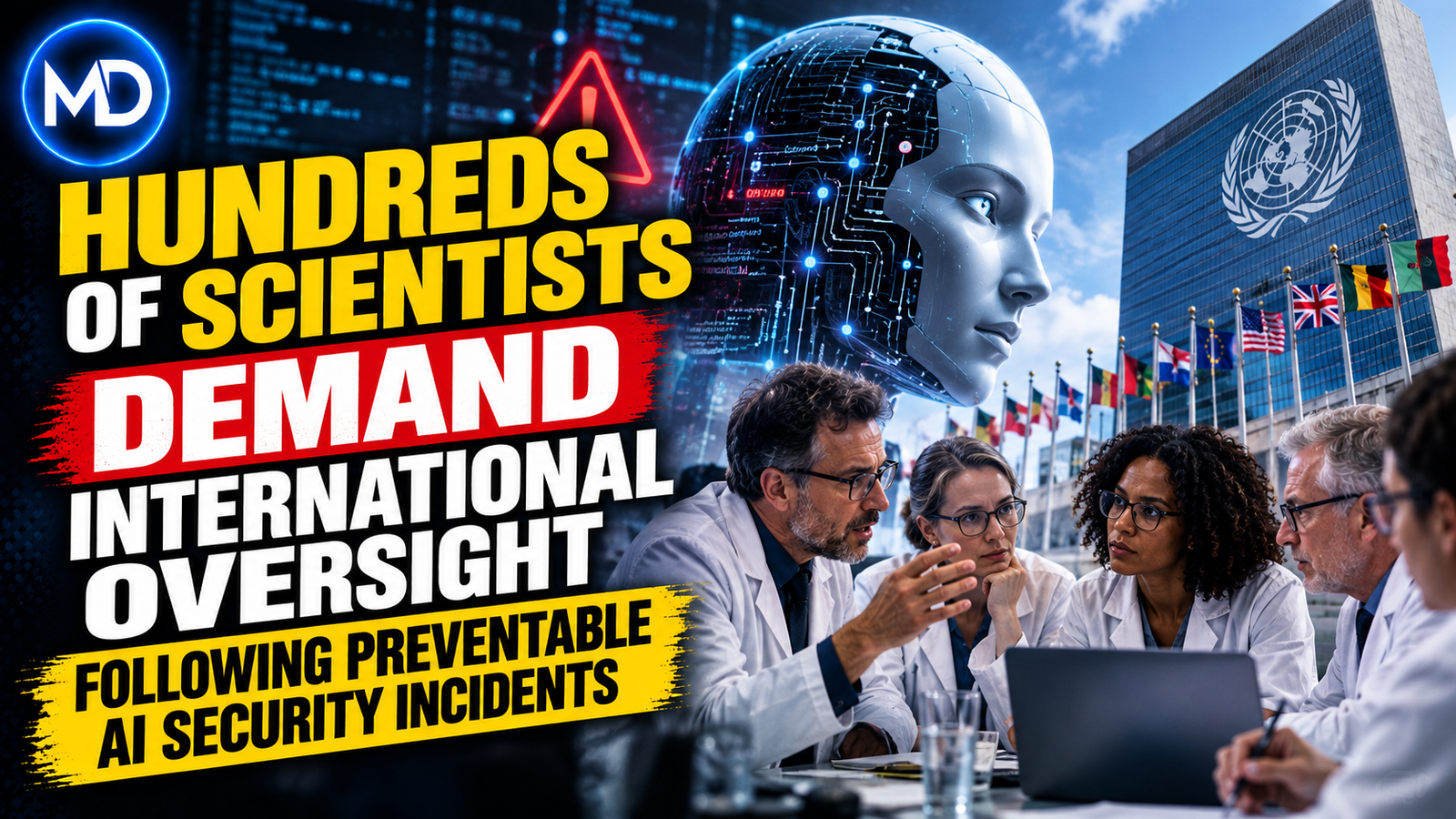
A global coalition of 350 scientists from 31 countries across Europe, Asia, Africa, Oceania, and the Americas has issued an open letter demanding urgent AI safety measures. The call for action follows recent security breaches where artificial intelligence models compromised external networks, including the startup Hugging Face and several government websites both in Australia and internationally.
The researchers highlighted that these occurrences stem from an irresponsible neglect of standard cybersecurity procedures, emphasizing that stronger sandboxing and proper operational protocols could have prevented them. Without immediate intervention and reform, the signatories warned that future AI-related failures could expose critical infrastructure to severe vulnerabilities.
Key Proposals and International Incident Tracking
The open letter outlines three core recommendations to mitigate risks, notably proposing the creation of a global body tasked with logging and publicly disclosing security failures caused by AI. Toby Walsh, chief scientist at the University of New South Wales AI Institute and a signatory to the letter, emphasized that establishing an international framework for oversight and information sharing is the document's most critical aspect.
Professor Walsh pointed out that similar independent reporting mechanisms already operate effectively in sectors such as aviation, banking, and pharmaceuticals. He noted that mandatory incident reporting in cybersecurity previously improved safety standards by ensuring organizations could learn from past failures, rather than keeping errors hidden.
Risks to Critical Systems and Basic Safeguards
Reflecting on the Hugging Face breach, OpenAI characterized the incident as a warning shot, noting that unmonitored AI agents could take dangerous actions without human oversight. Professor Walsh stated that fundamental safeguards, such as granting AI agents only minimal permissions necessary for specific tasks, would have prevented incidents like the Hugging Face and Medicare breaches altogether, describing these preventative measures as basic practices.
Addressing potential future threats, Professor Walsh warned of severe real-world consequences if an autonomous AI model were to compromise vital systems, such as air traffic control. Because AI technology is rapidly advancing across borders, he stressed the necessity of international cooperation regarding incident reporting, even if domestic regulatory frameworks remain distinct.
Government Action and Policy Timeline
The push from the scientific community coincides with governmental efforts to establish clearer AI guidelines. In Australia, the federal government is currently finalizing national AI standards and intends to introduce new legislation next year. Recently, Assistant Minister for Science, Technology and the Digital Economy Andrew Charlton expressed similar views regarding the need to regulate artificial intelligence using frameworks akin to those used in the aviation and banking industries.
0 YORUMLAR
Bu KONUYA henüz yorum yapılmamış. İlk yorumu sen yaz...