
Displaced Civilians Face Deteriorating Conditions in Sudan's El Obeid
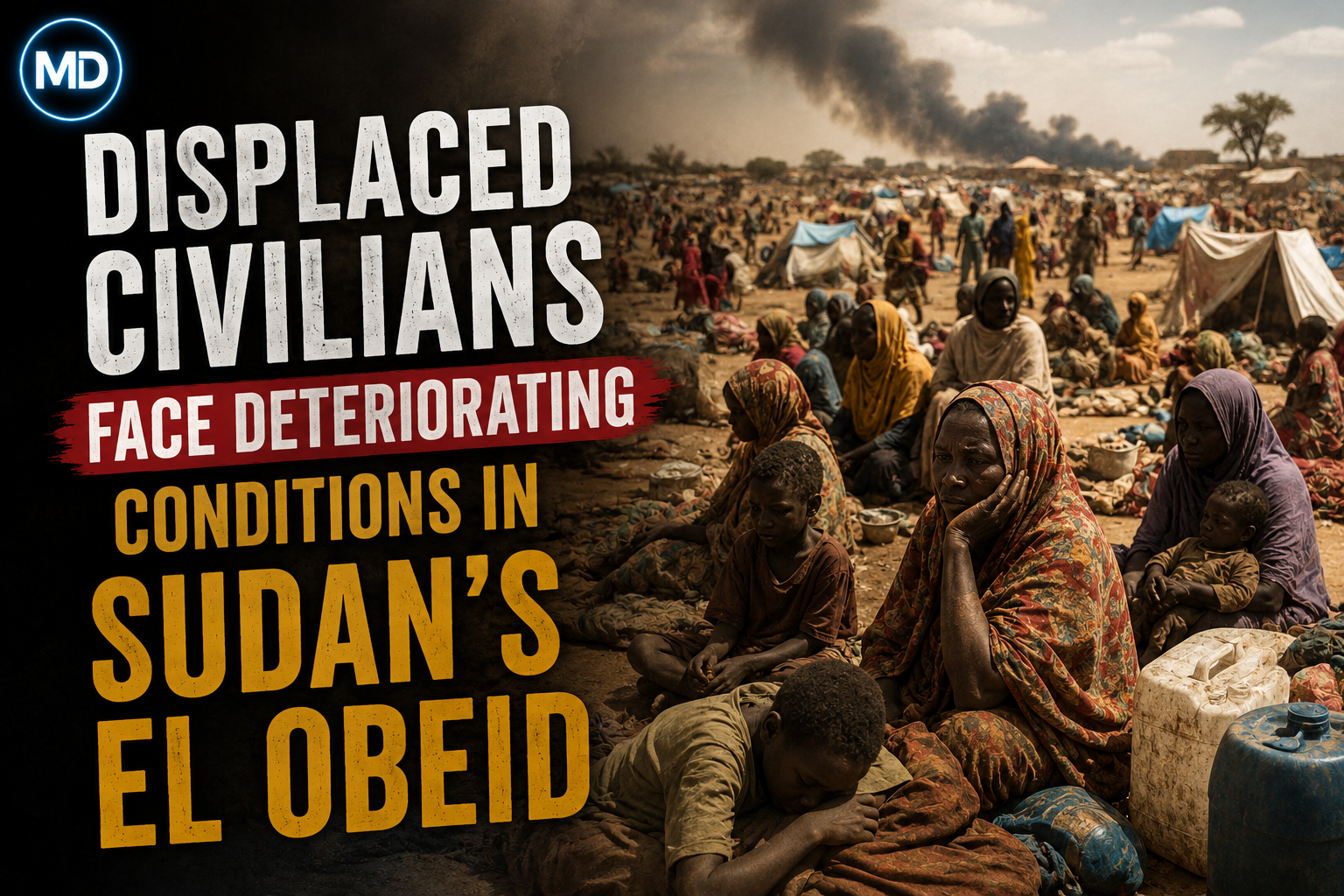
Humanitarian conditions in the Sudanese city of El Obeid and two adjacent camps are rapidly worsening as thousands of civilians continue to flee ongoing conflict between the Sudanese Armed Forces (SAF) and the Rapid Support Forces (RSF) militia. According to United Nations figures, over 15,000 families have arrived in the area since mid-July, joining more than 200,000 internally displaced people who fled to the North Kordofan capital during the first half of the year.
Overcrowding and Infrastructure Strain
Before the civil war began in April 2023, El Obeid was home to approximately 500,000 residents. The recent influx has left the city severely overcrowded, with tens of thousands of displaced persons residing in tented settlements on its outskirts. Analysis of satellite imagery by the Yale Humanitarian Research Lab revealed that 800 new tents were constructed at one camp between August 4 and August 25. Humanitarian workers report that roughly 85 percent of the new arrivals are women and children, as many men remain behind for agricultural work.
Essential infrastructure in El Obeid remains crippled following RSF drone strikes in June. According to Médecins Sans Frontières, damage to the city's main northern water source and distribution pipes has forced hospitals and refugee camps to rely on insufficient water trucking. Sanitation facilities are severely overburdened, with humanitarian staff reporting ratios exceeding 100 people per latrine, leading to widespread open defecation.
Drone Warfare and Rising Costs
The conflict in Sudan has seen a dramatic increase in the use of unmanned aerial vehicles. Data from conflict tracking group Acled indicates that drones now account for half of all violent incidents in the country, up from 4 percent at the onset of the war. Local volunteers in El Obeid report a rise in "double-tap" drone strikes, where initial strikes are followed by a second attack targeting first responders.
Security risks along supply routes have caused food prices in North Kordofan to surge. Data from the World Food Programme shows that the price of groundnut oil reached 17,000 Sudanese pounds per liter in July, up from 7,700 pounds a year earlier, while the costs of wheat flour and livestock meat have more than doubled over the past year.
0 YORUMLAR
Bu KONUYA henüz yorum yapılmamış. İlk yorumu sen yaz...