
US Military Targets Ecuadorian Fishing Vessels in Counter-Narcotics Expansion
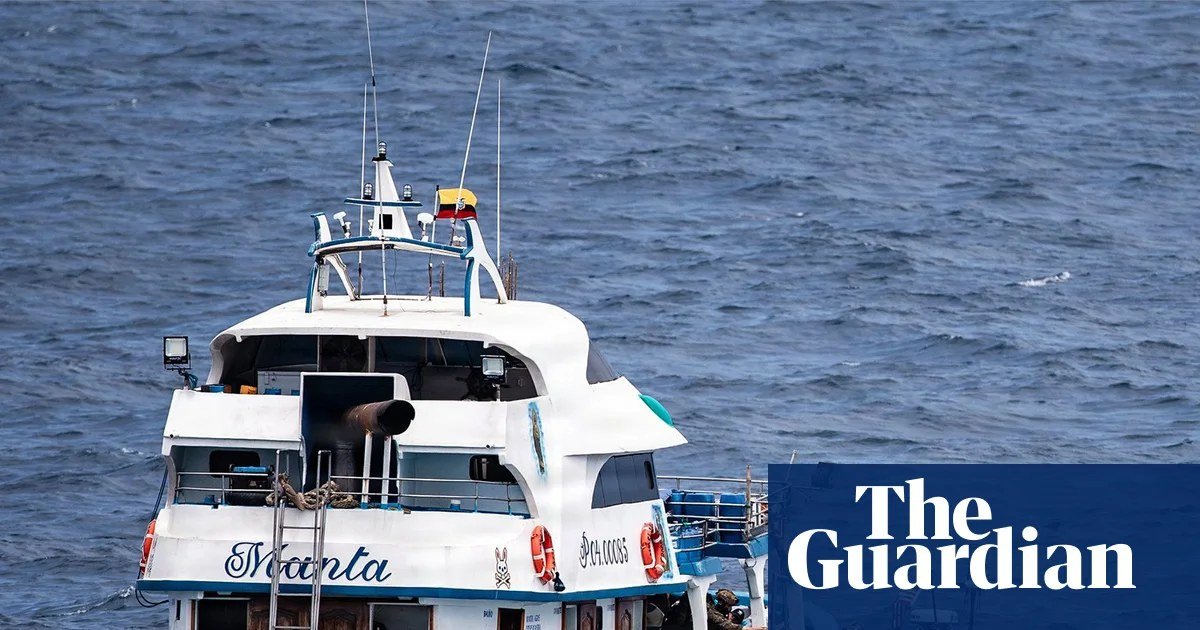
Operations conducted by United States military forces against Ecuadorian fishing vessels in international waters have raised significant humanitarian concerns, even as the Trump administration maintains its stance on maritime counter-narcotics interventions. On September 8, a US patrol vessel intercepted the fishing boat Don Rufo in the eastern Pacific near Ecuador. US personnel detained six crew members before destroying the vessel with explosives, leaving ten other crew members adrift in a smaller boat until their rescue by the Ecuadorian navy two days later.
US Southern Command released an edited video of the Don Rufo operation, alleging that intelligence confirmed the vessel was acting as a floating refueling station for drug-carrying speedboats. The fishermen involved have denied these allegations. The incident was one of eight similar operations involving Ecuadorian vessels conducted over a two-week period. Unlike previous US airstrikes in the Pacific and Caribbean that resulted in casualties, these recent maritime interceptions involved removing crews before sinking the ships.
BILATERAL AGREEMENTS AND LEGAL IMMUNITY
The recent actions operate under a bilateral agreement signed by Ecuadorian President Daniel Noboa and the White House. The deal authorizes joint operations and grants US military personnel immunity from local criminal prosecution. President Donald Trump has likened the campaign against drug cartels to military actions against international terrorist organizations, advocating that suspects be killed, exiled, or detained as enemy combatants. US Secretary of State Marco Rubio, speaking during a visit to Quito, stated that the approach for each operation is determined case-by-case based on threat levels, emphasizing that the US remains willing to destroy vessels when deemed necessary.
CRITICISM FROM HUMAN RIGHTS GROUPS
Local and international human rights organizations have strongly criticized the maritime strategy. Representatives from Ecuador's Permanent Committee for the Defence of Human Rights estimate that over 220 local fishermen have experienced violent boardings, arbitrary detentions, or the destruction of their vessels during US operations this year. Legal advocates point out that destroying the boats eliminates potential evidence, damaging the livelihoods of local workers. While some detained fishermen face ongoing legal prosecution, many have been acquitted by Ecuadorian authorities due to a lack of evidence, and none currently remain in US custody.
A spokesperson for US Southern Command defended the destruction of intercepted craft, stating that operations comply with US and international law, and noted that leaving vessels intact could allow criminal networks to reuse them. Independent analysts and a special rapporteur for the UN Human Rights Council have raised concerns over the legality of extrajudicial destruction and strikes, while available data indicates these maritime actions have not measurably altered the overall volume of cocaine entering the United States.
0 YORUMLAR
Bu KONUYA henüz yorum yapılmamış. İlk yorumu sen yaz...