
Strait of Hormuz Crisis: Why Oil Tankers Stopped and What It Means for the Global Economy
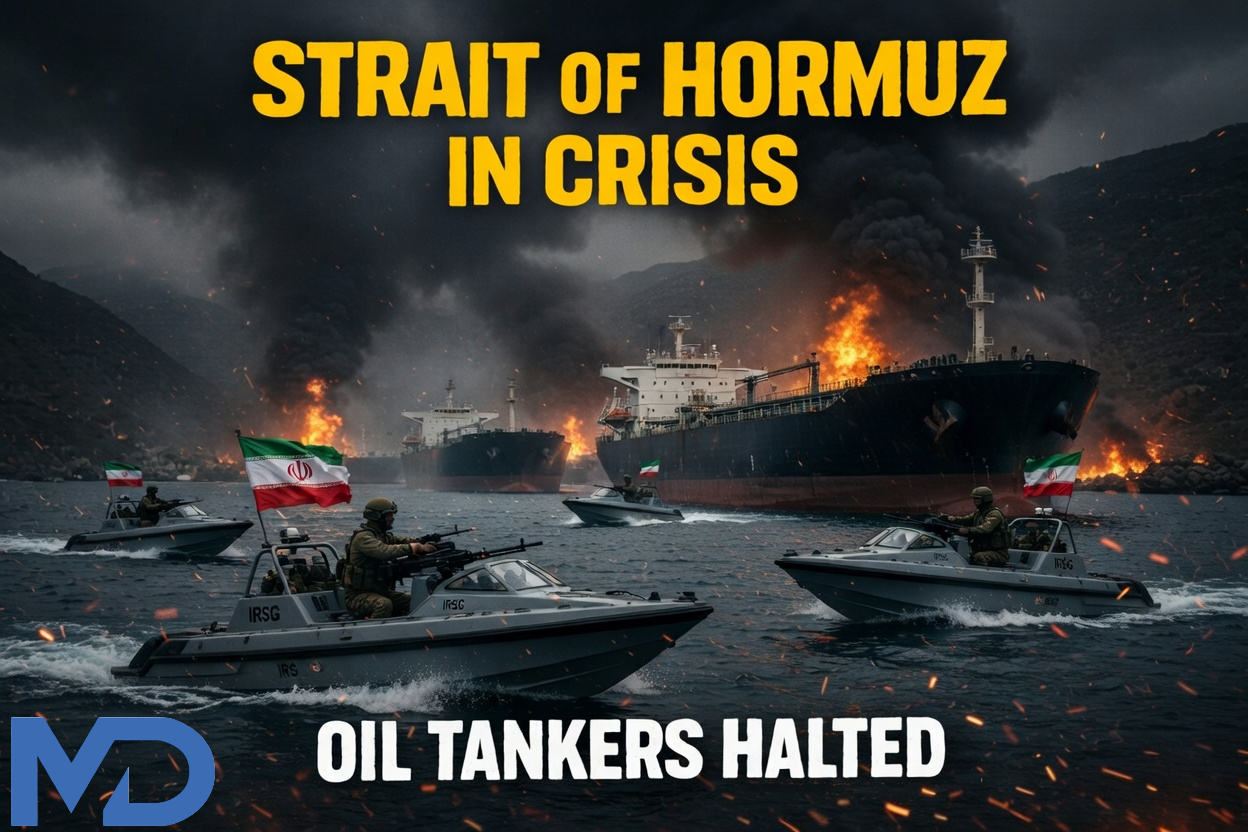
Rising tensions in the Middle East in 2026 have once again pushed the Strait of Hormuz—one of the world’s most critical energy chokepoints—into the global spotlight. Iran’s restrictions on oil tanker traffic have disrupted supply chains and triggered volatility across international markets.
This is no longer just a regional conflict. It is a global economic concern that could directly impact fuel prices, inflation, and everyday life worldwide.
WHY IS THE STRAIT OF HORMUZ SO IMPORTANT?
The Strait of Hormuz is responsible for transporting nearly 20% of the world’s oil supply. It serves as a vital passage connecting major oil-producing countries in the Persian Gulf to global markets.
Any disruption in this narrow waterway can immediately cause:
- Sharp increases in oil prices
- Global energy shortages
- Inflationary pressure worldwide
DID IRAN REALLY STOP ALL OIL TANKERS?
While headlines suggest that tanker traffic has completely stopped, the reality is more complex:
- Traffic has not fully ceased
- However, it has been heavily restricted
- Some tankers have been delayed or rerouted
- Others have been turned back
- Passage is now under tighter Iranian control
In practice, this means the system has shifted from free flow to controlled and high-risk transit.
WHY ARE OIL PRICES RISING?
Uncertainty and reduced supply are key drivers of energy market volatility. The situation in the Strait of Hormuz has:
- Reduced oil supply flow
- Increased shipping and insurance costs
- Elevated geopolitical risk
As a result, oil prices have surged and are expected to remain unstable in the short term.
WHICH COUNTRIES ARE MOST AFFECTED?
The crisis impacts:
- Oil-import dependent nations
- European energy markets
- Major Asian economies
Countries heavily reliant on imported energy are particularly vulnerable to price shocks and supply disruptions.
WORST-CASE SCENARIO FOR THE GLOBAL ECONOMY
If the situation escalates further:
- Oil prices could spike dramatically
- A global recession risk could increase
- Supply chains may face renewed disruptions
Experts are already describing this as a potential turning point from geopolitical tension to global economic crisis.
HOW LONG WILL THIS CRISIS LAST?
Although there are occasional signs of ceasefire discussions, tensions in the region remain high. A full return to normal tanker traffic will require:
- Security guarantees for shipping routes
- International agreements
- De-escalation of military tensions
CONCLUSION: WHY THIS MATTERS TO EVERYONE
What happens in the Strait of Hormuz doesn’t stay there. It directly affects:
- Fuel prices
- Electricity costs
- Food prices
In short, this crisis has the potential to impact everyday life across the globe.
0 YORUMLAR
Bu KONUYA henüz yorum yapılmamış. İlk yorumu sen yaz...